
Provisional Cast On Knitting With Crochet Hook
Provisional Cast On Knitting With Crochet Hook - You can then work your piece of knitting, knowing that your stitches are safe. Hold one knitting needle in your left hand and the crochet hook in your left hand. Place the yarn behind the knitting needle. Web crochet hook in a similar size to your gauge needle. The knitting needles required for. Web crocheted provisional cast on. This popular method uses scrap yarn and a crochet hook, and it's known by a few names: Web there are a few different ways to do a provisional cast on but we are going to do the version that utilizes a crochet hook. Make a slip knot in your waste yarn. Particularly handy for adding a decorative border, or for increasing the length of a sweater that is knit from the bottom up. The size of the hook isn’t crucial, as the the size of your knitting needle is what determines the size of your stitches in this method. Here is an alternative to picking up stitches from a crochet chain, by creating stitches directly on the needle. Olga uses it both ways in field guide no. Let’s walk through how you work this technique… 1. Going back, picking up stitches and working in the opposite direction is a skill all knitters need to have in their arsenal. Here is an alternative to picking up stitches from a crochet chain, by creating stitches directly. Web the idea behind this method is creating a row of chain stitches around your knitting needle with a crochet hook in a different yarn. Web the provisional cast on with a crochet hook is my personal favorite method because it makes counting stitches very easy. The knitting needles required for. Web lots of patterns use a provisional cast on. The knitting needles required for. Web learn how to work a provisional cast on in knitting. Hold the knitting needle in your left hand and the crochet hook in your right hand but close together. Choose your yarn and hook The size of the crochet hook isn’t critical, the tension of your cast on is determined by your needle, not. Using waste yarn, create a slip knot and put it on a crochet hook the same size as your intended knitting needles, being careful not to make it too tight. A scrap of a similar yarn in a contrasting color; This method allows you to remove the original cast on row in order to pick up and use the live. A scrap of a similar yarn in a contrasting color; With your left had hold your chain stitches and a knitting needle. The first section shows how to use a crochet hook to create cast on provisional stitches onto a single knitting needle using waste yarn. Here is an alternative to picking up stitches from a crochet chain, by creating. Web crocheted provisional cast on. With your left had hold your chain stitches and a knitting needle. Insert your crochet hook in the slip knot and snug up. With a crochet hook make five chain stitches with your waste yarn. Web the idea behind this method is creating a row of chain stitches around your knitting needle with a crochet. Here is an alternative to picking up stitches from a crochet chain, by creating stitches directly on the needle. With your left had hold your chain stitches and a knitting needle. Insert your crochet hook in the slip knot and snug up. Web how to work the provisional cast on. Web there are a few different ways to do a. Going back, picking up stitches and working in the opposite direction is a skill all knitters need to have in their arsenal. Hold the knitting needle in your left hand and the crochet hook in your right hand but close together. Let’s walk through how you work this technique… 1. With a crochet hook make five chain stitches with your. Here is an alternative to picking up stitches from a crochet chain, by creating stitches directly. Web the idea behind this method is creating a row of chain stitches around your knitting needle with a crochet hook in a different yarn. The idea is that the stitches that you cast on are held on waste yarn. Provisional cast on without. With a crochet hook make five chain stitches with your waste yarn. A crochet hook, appropriate in size for the scrap yarn. Choose your yarn and hook The first section shows how to use a crochet hook to create cast on provisional stitches onto a single knitting needle using waste yarn. The knitting needles required for. Here is an alternative to picking up stitches from a crochet chain, by creating stitches directly. Insert your crochet hook in the slip knot and snug up. Here’s a video and photo tutorial as well so you can use whichever you prefer. Web before you get started with the provisional cast on, make sure you have the following: To get. A scrap of a similar yarn in a contrasting color; With a crochet hook make five chain stitches with your waste yarn. Smooth scrap yarn similar in weight to the main yarn of your project. Here is an alternative to picking up stitches from a crochet chain, by creating stitches directly on the needle. Place the yarn behind the knitting. Make a slip knot in your waste yarn. Crochet hook appropriate for your yarn weight; Hold the knitting needle in your left hand and the crochet hook in your right hand but close together. Web before you get started with the provisional cast on, make sure you have the following: Here is an alternative to picking up stitches from a crochet chain, by creating stitches directly. The second section takes you through removing the waste yarn leaving live stitches behind. The size of the hook isn’t crucial, as the the size of your knitting needle is what determines the size of your stitches in this method. Web there are a few different ways to do a provisional cast on but we are going to do the version that utilizes a crochet hook. Web the provisional cast on with a crochet hook is my personal favorite method because it makes counting stitches very easy. Olga uses it both ways in field guide no. Tie a slip knot with waste yarn and place it on a crochet hook that matches the knitting needle size that the pattern calls for. Smooth scrap yarn similar in weight to the main yarn of your project. Here’s a video and photo tutorial as well so you can use whichever you prefer. With a crochet hook make five chain stitches with your waste yarn. The knitting needles required for. Web in this tutorial, we’ll explore how to cast on provisional stitches using crochet, enabling you to seamlessly integrate pieces or add borders to your knitting projects.![How to do a provisional caston with a crochet hook in knitting [+video]](https://nimble-needles.com/wp-content/uploads/2020/12/a-swatch-with-a-provisional-cast-on-using-a-crochet-hook-and-some-scrap-yarn-1024x684.jpg)
How to do a provisional caston with a crochet hook in knitting [+video]
![How to do a provisional caston with a crochet hook in knitting [+video]](https://nimble-needles.com/wp-content/uploads/2020/12/how-to-do-a-provisional-cast-on-with-a-crochet-hook-735x1103.jpg)
How to do a provisional caston with a crochet hook in knitting [+video]
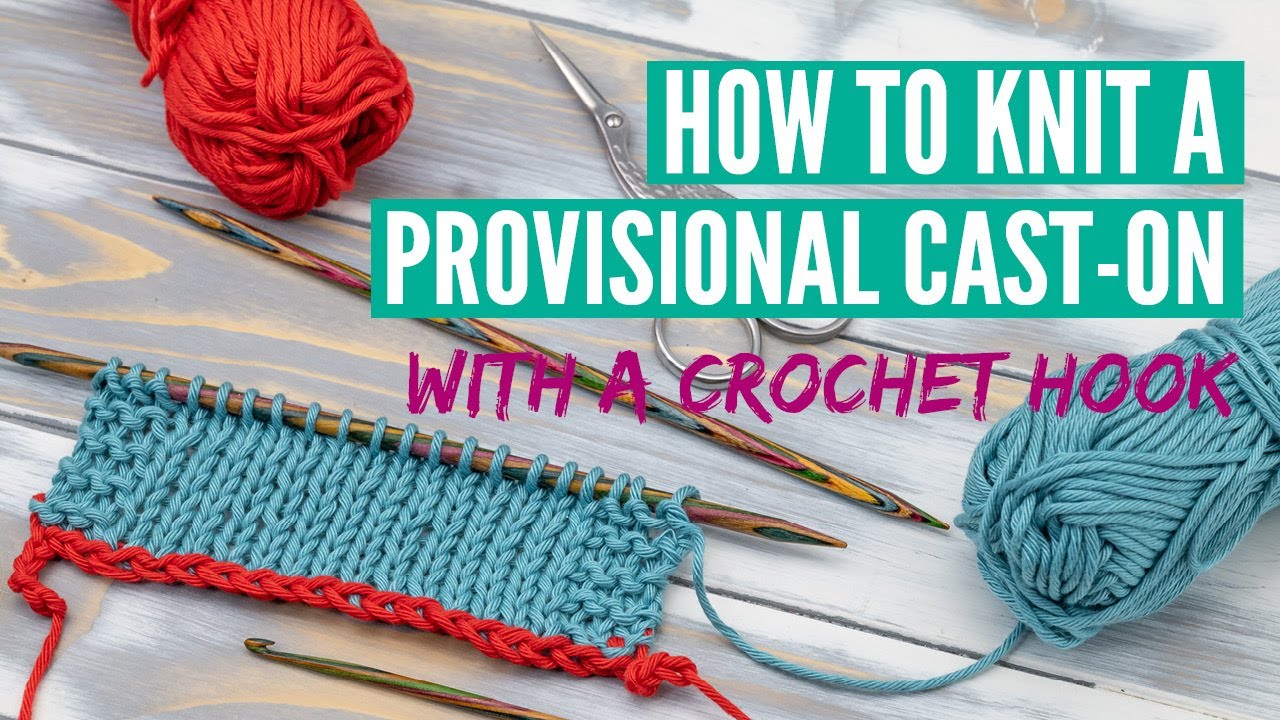
How to do the provisional cast on with a crochet hook in knitting YouTube
![How to do a provisional caston with a crochet hook in knitting [+video]](https://nimble-needles.com/wp-content/uploads/2020/12/step-10-knitting-across-the-provisional-cast-on-as-normal.jpg)
How to do a provisional caston with a crochet hook in knitting [+video]
![How to do a provisional caston with a crochet hook in knitting [+video]](https://nimble-needles.com/wp-content/uploads/2020/12/a-provisional-cast-on-in-the-round-with-a-crochet-hook-1024x684.jpg)
How to do a provisional caston with a crochet hook in knitting [+video]

Provisional Cast On Using a Crochet Hook YouTube

KNITFreedom Provisional Cast On Cast On With A Crochet Hook YouTube

Learn the Crochet Chain Method for Provisional Cast On
![How to do a provisional caston with a crochet hook in knitting [+video]](https://nimble-needles.com/wp-content/uploads/2020/12/picking-up-the-stitches-of-the-provisional-cast-on.jpg)
How to do a provisional caston with a crochet hook in knitting [+video]
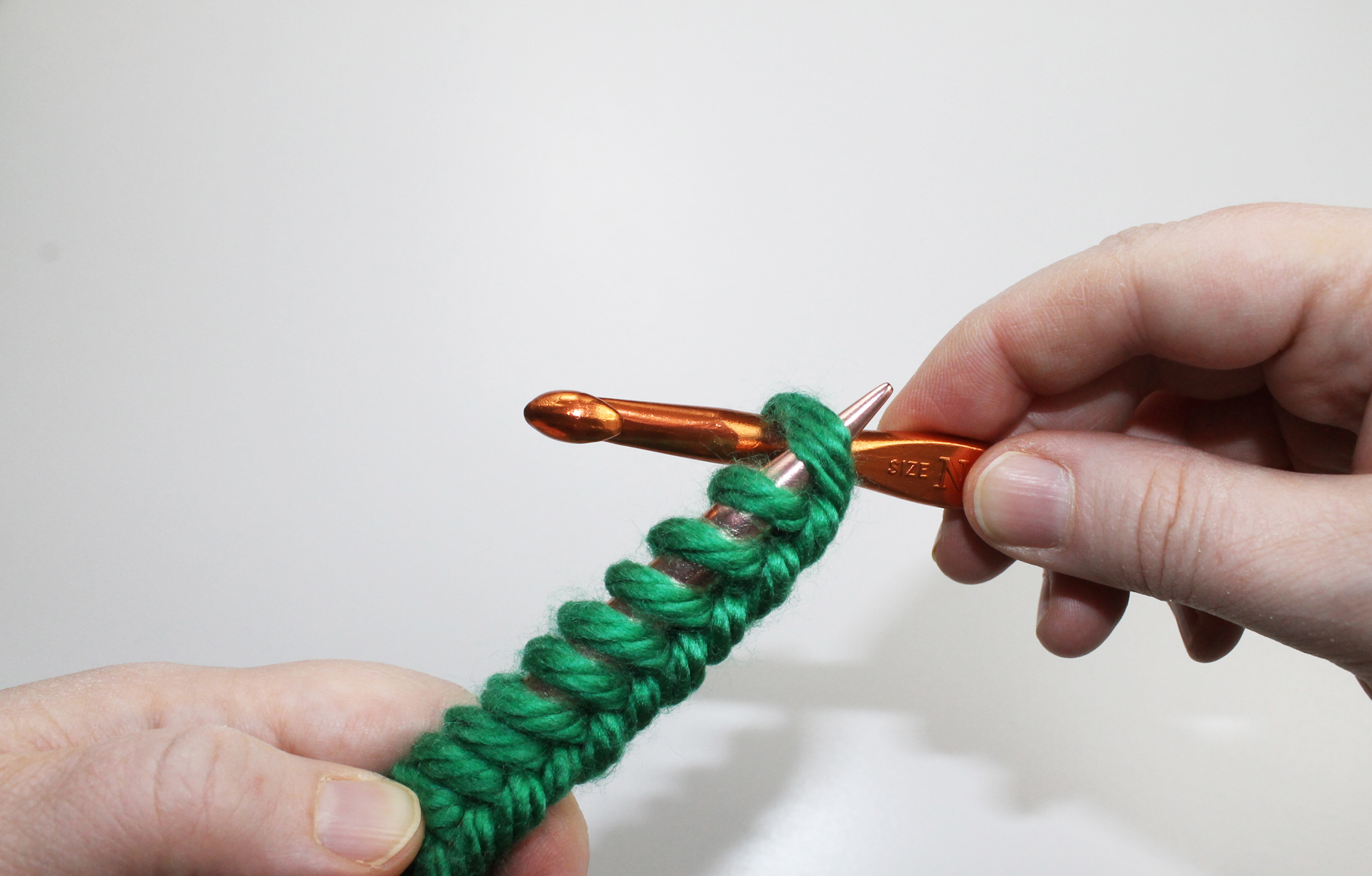
Crochet CastOn Tutorial for Knitting
Hold One Knitting Needle In Your Left Hand And The Crochet Hook In Your Left Hand.
To Get Started You Will Need A Crochet Hook, Your Needle, Waste Yarn.
Using Waste Yarn, Create A Slip Knot And Put It On A Crochet Hook The Same Size As Your Intended Knitting Needles, Being Careful Not To Make It Too Tight.
Choose Your Yarn And Hook
Related Post: